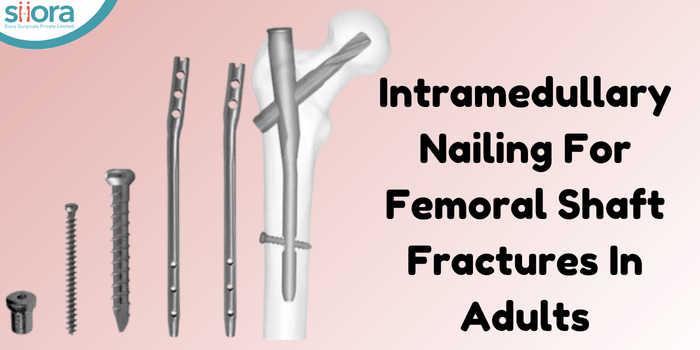
Femoral shaft fractures are serious injuries that can significantly impact mobility and quality of life. Fortunately, modern surgical techniques like intramedullary nailing that use PFNA Intramedullary Interlocking Nails have made it possible to treat these fractures effectively and help patients recover faster. This guide provides a simple, comprehensive overview of intramedullary nailing for femoral shaft fractures in adults.
What is a Femoral Shaft Fracture?
The femur, or thighbone, is the longest and strongest human bone. The femoral shaft refers to the middle portion of this bone. Fractures in this area typically occur due to high-energy trauma, such as car accidents or falls from significant heights. Common symptoms include severe pain, swelling, inability to bear weight, and visible deformity in the thigh.
What is Intramedullary Nailing?
Intramedullary nailing is a surgical procedure used to stabilize and repair fractured long bones, including the femur. In this technique, a metal rod, called an intramedullary nail, is inserted into the hollow center of the bone (the medullary canal). The nail is secured with screws at both ends, keeping the fractured bone segments aligned during the healing process.
Why Choose Intramedullary Nailing?
Intramedullary nailing is considered the gold standard for treating femoral shaft fractures in adults. Here are some of the key benefits:
- Stability: The nail acts as an internal splint, providing strong support to the fractured bone.
- Minimally Invasive: Unlike traditional open surgeries, this technique requires smaller incisions, reducing the risk of infection and promoting faster recovery.
- Early Mobilization: Patients can typically begin weight-bearing exercises sooner, which aids in maintaining muscle strength and joint function.
- High Success Rate: Studies have shown excellent outcomes in terms of fracture healing and functional recovery.
How is the Procedure Performed?
The intramedullary nailing procedure generally follows these steps:
- Preparation: The patient is placed under general or regional anesthesia. The surgical area is cleaned and prepped to maintain sterility.
- Incision and Entry: A small incision is made near the hip or knee, depending on the approach. A guide wire is inserted into the medullary canal of the femur to set the path for the nail.
- Nail Insertion: After reaming (widening) the canal, the surgeon inserts the intramedullary nail along the guide wire. The nail is then locked in place with screws to ensure stability.
- Closure: The incisions are closed with sutures or staples, and the leg is bandaged. An X-ray may be taken to confirm proper alignment of the bone.
Recovery and Rehabilitation
Recovery from intramedullary nailing involves a combination of rest, physical therapy, and follow-up care. Here’s what to expect:
- Hospital Stay: Most patients stay in the hospital for 2-5 days after surgery.
- Pain Management: Pain is managed with medications prescribed by your doctor.
- Physical Therapy: A rehabilitation program will be tailored to help you regain strength and mobility. This typically includes range-of-motion exercises and weight-bearing activities.
- Follow-Up Appointments: Regular check-ups are essential to monitor healing progress. Additional X-rays may be taken to ensure the bone is healing correctly.
Potential Risks and Complications
While intramedullary nailing is a safe and effective procedure, it’s important to be aware of potential risks, including:
- Infection
- Blood clots
- Hardware irritation
- Delayed union or nonunion of the fracture
- Damage to surrounding nerves or blood vessels
Prompt medical attention can address most complications effectively.
Conclusion
Intramedullary nailing is a reliable and efficient treatment for femoral shaft fractures in adults. It offers numerous advantages, including faster recovery, minimal invasiveness, and high success rates. If you or a loved one has experienced a femoral shaft fracture, consult with an orthopedic specialist to discuss whether this procedure is the right option. With proper care and rehabilitation, most patients can return to their normal activities and enjoy a full recovery.To learn about advanced techniques in the healthcare industry and explore innovative medical products and solutions, register for Arab Health 2025.
 Orthopedic Supply Companies